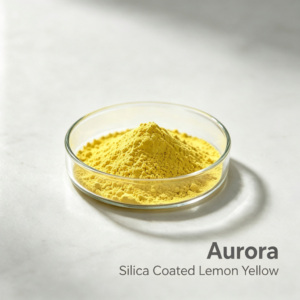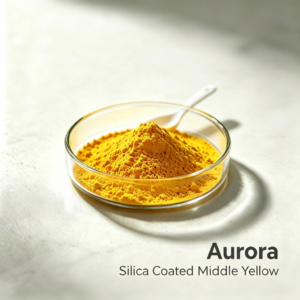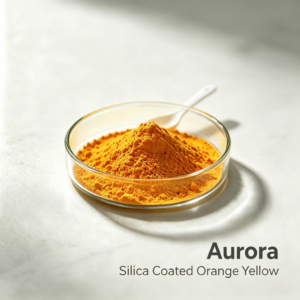
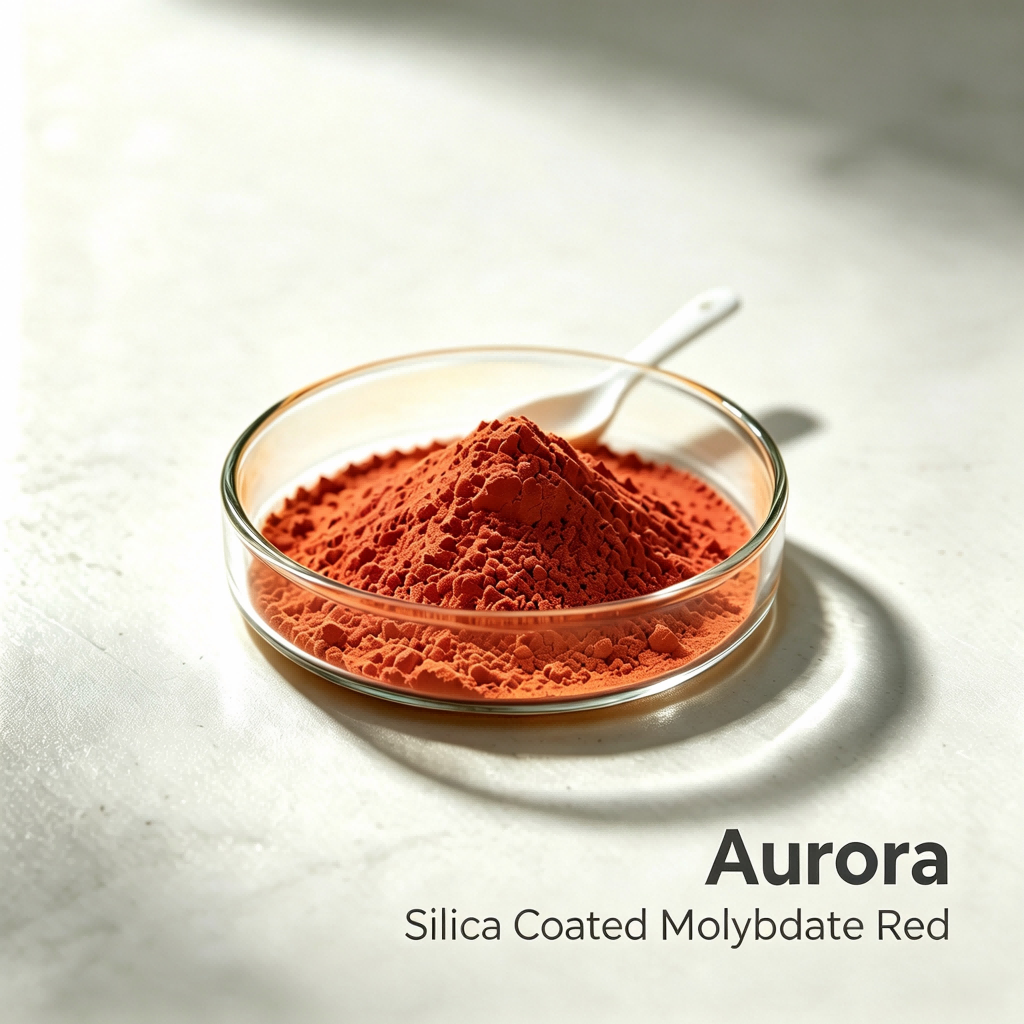
Silica Coated molybdate red
Product Parameters
| Model | 1024S |
|---|---|
| Main Content (PbCrO4) | ≥ 40% |
| Hue | Orange Red Hue |
| Water Solubles | ≤ 1.0% |
| Residue (45μm) | ≤ 1.0% |
| pH Value | 6-8 |
| Light Fastness | 4-5 |
| Heat(Coatings) | ≤240℃ |
| Heat(Plastics) 5min | ≤300℃ |
| Color Difference ΔE | ≤ 1.0 |
| Packagingt25kg valve bag / ton bag |
Product Details
MSDS / SDS Silica-Coated Molybdate Red (Pigment Red 104)
Document Version: 1.0
Issue Date:2026-07-22
Last Revised Date: 2026-07-22
Revision Date: None
Product Name: Silica-Coated Molybdate Red
Common Name: Silica-Coated Molybdate Chrome Red, Pigment Red 104, Molybdate Red-Orange Pigment
Applicable Standards: UN GHS Revision 7, EU Regulation 2020/878, ISO 11014:2009
1. PRODUCT AND COMPANY IDENTIFICATION
Product Identifier: Silica-Coated Molybdate Red (Pigment Red 104)
CAS No.: 12656-85-8 (Lead Chromate Molybdate); 7631-86-9 (Silica Coating)
Recommended Use: High-performance inorganic colorant for industrial coatings, automotive topcoats, engineering plastics, solvent-based/water-based printing inks and industrial finish paint systems
Supplier Information: Company: Guangzhou Cailian Pigment CO,.LTD. Contact Person: Mr Li Contact Phone: +8618507392221 Address: Room 2111 No.101 Kexue Road, Guangzhou China
Email: clpigment@gmail.com
2. HAZARDS IDENTIFICATION
GHS Classification:
-
Carcinogenicity (Category 1A)
-
Specific Target Organ Toxicity (Repeated Exposure) (Category 1)
-
Hazardous to the aquatic environment, long-term hazard (Category 1)
Signal Word: DANGER
Hazard Statements:
H350: May cause cancer (inhalation route).
H372: Causes damage to organs (liver, kidneys, respiratory system) through prolonged or repeated inhalation and dermal exposure.
H410: Very toxic to aquatic life with long-lasting adverse effects.
Precautionary Statements:
P201: Obtain special safety instructions prior to use.
P280: Wear protective gloves, protective clothing, eye protection and face shield.
P264: Wash skin thoroughly with soap and clean water after handling.
P273: Avoid release to the aquatic and terrestrial environment.
P501: Dispose of contents and container via an approved hazardous waste disposal facility in compliance with local, regional and national regulatory requirements.
3. COMPOSITION / INFORMATION ON INGREDIENTS
|
Ingredient
|
CAS Number
|
Content
|
|
Lead Chromate Molybdate (Molybdate Red Pigment)
|
12656-85-8
|
75–92%
|
|
Amorphous Silica (Coating Layer)
|
7631-86-9
|
3–10%
|
|
Other lead salt additives & inorganic modifiers
|
–
|
Balance
|
Important Note: The amorphous silica coating serves exclusively as an inert physical barrier to improve the pigment’s weather resistance, thermal stability, light fastness and chemical resistance in application scenarios. This surface modification does not alter the intrinsic chemical properties of the pigment matrix, nor does it eliminate the carcinogenicity, systemic toxicity and environmental hazards derived from lead and hexavalent chromium components.
4. FIRST AID MEASURES
Inhalation: Remove the exposed person to fresh air immediately. Maintain unobstructed respiratory passage. If respiratory irritation, cough, dyspnea or chest discomfort occurs, seek prompt medical attention.
Skin Contact: Promptly remove all contaminated personal protective equipment and clothing. Flush the affected skin continuously with abundant running clean water for several minutes and wash thoroughly with mild soap. Obtain medical assistance if persistent skin irritation, erythema or pruritus develops.
Eye Contact: Immediately irrigate the eyes with plenty of running clean water for a minimum of 15 minutes, keeping the palpebrae open during flushing. Seek immediate medical evaluation to prevent corneal injury and persistent ocular irritation.
Ingestion: Do not induce vomiting spontaneously. Rinse the oral cavity thoroughly with clean water. Never administer oral substances to unconscious or convulsive individuals. Seek urgent medical treatment immediately.
5. FIRE FIGHTING MEASURES
Flammability: Non-flammable, non-combustible inorganic composite pigment with no flash point, autoignition temperature or flammable range.
Suitable Extinguishing Media: Water spray, dry powder, foam, CO₂, universal fire extinguishing agents.
Hazardous Decomposition Products: Thermal decomposition or high-temperature combustion generates toxic fumes and respirable particulate matter, including chromium trioxide, lead oxide, molybdenum trioxide and other heavy metal oxides.
Firefighter Protection: Firefighters shall wear self-contained positive-pressure breathing apparatus (SCBA) and full fire-resistant protective clothing to avoid inhalation of toxic decomposition products and direct contact with hazardous residues.
6. ACCIDENTAL RELEASE MEASURES
Personal Precautions: Prevent dust generation and aerosol formation strictly during handling. Wear N95 or higher-grade dust respirator, chemical splash goggles, acid-alkali resistant protective gloves and dust-proof work garments. Isolate the spill area and exclude unauthorized personnel.
Spill Handling: Implement dust-free cleanup procedures to gently collect spilled pigment powder. Transfer all residual materials into sealed, clearly labeled hazardous waste containers. Avoid aggressive sweeping or compressed air blowing to prevent secondary dust contamination. Thoroughly decontaminate the work site after cleanup.
Environmental Precautions: Prevent all discharge of the product into surface water, groundwater, soil, sewers and drainage systems. The substance poses severe acute and long-term hazards to aquatic ecosystems. Report any accidental environmental release to local environmental regulatory authorities immediately.
7. HANDLING AND STORAGE
Handling: Operate in a well-ventilated workplace equipped with local exhaust ventilation and dust extraction systems. Avoid all dust inhalation, dermal and ocular contact. Prohibit eating, drinking, smoking and cosmetic application in work areas. Conduct thorough personal decontamination and workplace cleaning upon completion of operations.
Storage: Store in a dry, cool, ventilated, dustproof and moisture-proof indoor warehouse. Keep product containers tightly sealed and intact at all times. Store separately from strong acids, strong alkalis, reducing agents, sulfide compounds and combustible materials. Segregate from foodstuffs, animal feed and daily consumer commodities.
8. EXPOSURE CONTROLS / PERSONAL PROTECTION
Engineering Controls: Install dedicated local exhaust ventilation and high-efficiency dust collection systems to maintain airborne dust concentrations below occupational exposure limits. Perform regular inspection, maintenance and calibration of ventilation facilities.
Respiratory Protection: Wear N95 or above particulate respirator under normal operational dust conditions. Deploy positive-pressure self-contained breathing apparatus in high-dust, high-exposure scenarios.
Eye Protection: Wear fully enclosed chemical safety goggles to prevent particulate dust irritation and injury.
Hand Protection: Wear impermeable chemical-resistant gloves to prevent prolonged dermal contact with pigment powder.
Body Protection: Wear dedicated dust-tight, chemical-resistant work clothing to avoid skin adhesion and chronic exposure to the pigment.
9. PHYSICAL AND CHEMICAL PROPERTIES
Physical State: Solid fine powder
Appearance: Homogeneous bright red-orange inorganic fine powder, free of obvious agglomerates and impurities
pH (aqueous suspension): 6.0–8.0
Solubility: Insoluble in water, ethanol and conventional organic solvents
Density: 5.5–6.2 g/cm³
Thermal Stability: Excellent thermal resistance; thermally stable up to 550°C without discoloration, decomposition or performance attenuation, adaptable to high-temperature processing of engineering plastics and industrial coatings
Particle Characteristics: Uniform fine particle size, excellent dispersibility and low agglomeration tendency
Odor: Odorless
Melting Point: No fixed melting point; thermal decomposition occurs above 550°C
Vapor Pressure: Negligible at 25°C
Volatility: Non-volatile
Flammability Limit: Not applicable (non-flammable inorganic substance)
10. STABILITY AND REACTIVITY
Stability: Physically and chemically stable under ambient temperature, atmospheric pressure and standard handling, transportation and storage conditions. The silica coating provides durable physical barrier protection, endowing the pigment with superior weather resistance and chemical stability in conventional industrial application environments.
Incompatible Materials: Strong reducing agents, concentrated mineral acids, sulfide compounds and strong alkaline substances
Hazardous Decomposition: Elevated temperatures induce decomposition, releasing toxic heavy metal oxide fumes (lead oxide, chromium oxide, molybdenum oxide) that pose severe hazards to the human respiratory system and ecological environment
11. TOXICOLOGICAL INFORMATION
This product contains hexavalent chromium, lead and molybdenum composite heavy metal components with significant bioaccumulative toxicity. Prolonged or repeated inhalation, dermal contact or accidental ingestion may cause irreversible cumulative damage to the human liver, kidneys, respiratory system and hematopoietic system. The substance is classified as a Category 1A human carcinogen. The silica surface coating only optimizes the pigment’s application performance and environmental durability, and does not mitigate or eliminate the intrinsic toxic, carcinogenic and hazardous properties of the heavy metal-based pigment matrix.
12. ECOLOGICAL INFORMATION
The product exhibits high acute and chronic toxicity to aquatic organisms, with strong bioaccumulation potential and persistent environmental hazards. Heavy metal constituents accumulate in aquatic biota and soil ecosystems, resulting in long-term ecological damage. Discharge of untreated product waste into natural water bodies, soil and public environmental systems is strictly prohibited by regulatory provisions.
13. DISPOSAL CONSIDERATIONS
Spent pigment materials and contaminated packaging containers are classified as regulated hazardous waste. All waste materials must be transferred to qualified licensed hazardous waste disposal institutions for professional centralized harmless treatment, in full compliance with local, national and international environmental protection laws and regulations. Unauthorized dumping, arbitrary discharge and private disposal are strictly forbidden.
14. TRANSPORT INFORMATION
UN Number: 3077
Proper Shipping Name: Environmentally hazardous substance, solid, n.o.s. (Contains Lead Chromate Molybdate)
Transport Hazard Class: 9
Packing Group: III
Transport Notes: Comply fully with IMDG (maritime), IATA (air) and ADR/RID (road/rail) dangerous goods transport regulations. Avoid severe vibration, mechanical extrusion, collision, water soaking and high-temperature exposure during transit. Do not transport together with incompatible substances including strong acids, reducing agents and sulfides. Transport vehicles shall be equipped with standard fire extinguishing equipment and leakage emergency disposal kits. All packages must remain intact, hermetically sealed and affixed with standardized hazard warning labels.
15. REGULATORY INFORMATION
This product complies with UN GHS Revision 7, EU REACH Regulation, CLP Regulation (EC 1272/2008) and ISO 11014 international safety standards. As a restricted hazardous substance containing hexavalent chromium and lead, it is exclusively approved for professional industrial manufacturing and industrial coating applications. Usage in food contact materials, daily consumer goods, toy raw materials, medical supplies and household products is strictly prohibited.
16. OTHER INFORMATION
This Safety Data Sheet is compiled in accordance with UN GHS Rev.7, EU 2020/878 and ISO 11014 standardized requirements, based on authoritative industrial test data and verified product physicochemical properties. It serves for enterprise safety production management, overseas customer factory audits, export document verification and occupational safety guidance. All hazard statements and operational guidelines apply only to professional industrial scenarios and are not applicable for civilian or non-industrial use. This document acts as an internal technical reference; third-party officially certified SDS shall prevail for customs declaration, legal filing and product certification procedures. All operational activities must comply with local national and regional occupational health, safety and environmental protection regulations.
Applications
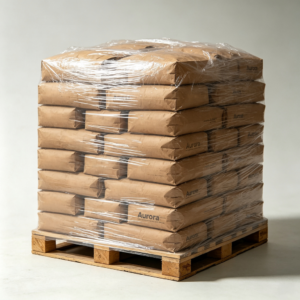
40Bags
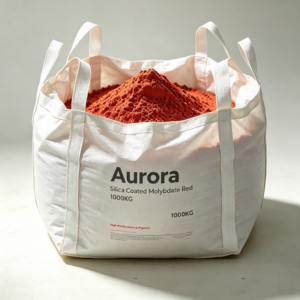
1 Ton